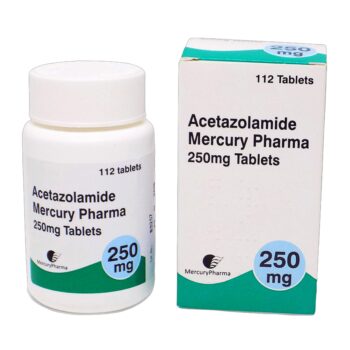
Acetazolamide
Starting from
£14.40
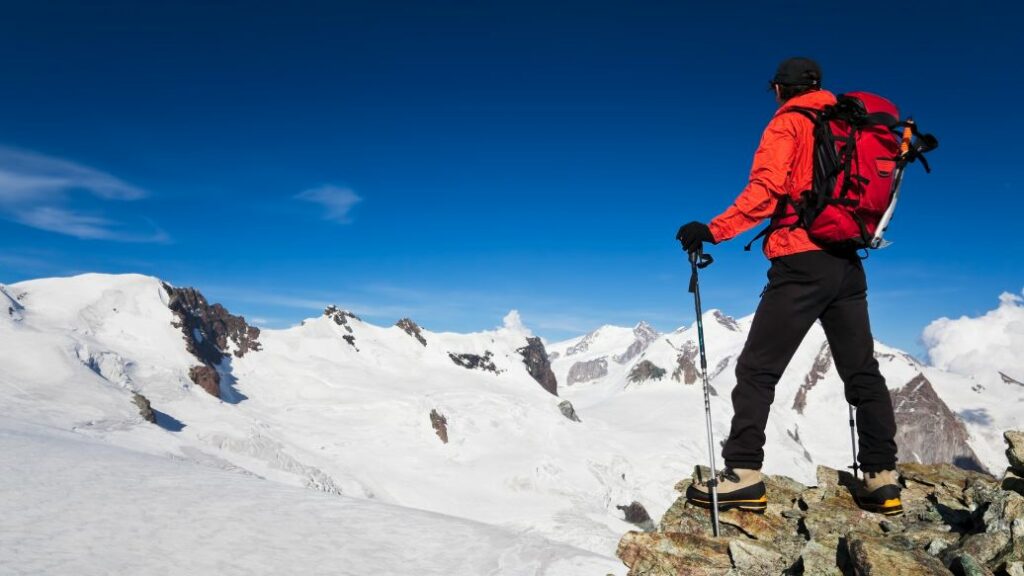
Altitude sickness occurs when the body cannot adjust quickly enough to low oxygen levels at high altitudes. It causes symptoms like headaches, nausea, dizziness, and fatigue, which can progress to dangerous conditions if ignored. Gradual ascent, proper hydration, and rest are key preventive measures. Most mild cases improve as the body acclimatises or after descending, allowing travellers to adapt safely and continue enjoying mountain environments.
By clicking start your consultation you agree to our Privacy Policy and confirm that you are over 18 years of age.
Conditions
Search for the right altitude sickness treatment in our online store, or contact us for expert advice.
Starting from
£14.40
Altitude sickness, also known as acute mountain sickness (AMS), occurs when the body struggles to adjust to lower oxygen levels at high altitudes, typically above 2,500 metres (8,000 feet). The condition develops as the air becomes thinner and contains less oxygen, making it harder for the body to deliver sufficient oxygen to tissues. It can affect anyone, regardless of age, fitness level, or previous experience at high altitude. Symptoms usually appear within a few hours of ascent and vary in severity depending on how quickly a person climbs and how well their body acclimatises.
Common symptoms of altitude sickness include headaches, nausea, dizziness, fatigue, and shortness of breath. Some individuals may also experience difficulty sleeping, loss of appetite, or swelling of the hands, feet, and face. These symptoms often feel similar to a hangover and may worsen at night. In most cases, symptoms are mild and improve as the body adapts, but if ignored, they can progress to more serious conditions such as high-altitude cerebral oedema (HACE) or high-altitude pulmonary oedema (HAPE), which can be life-threatening.
The main cause of altitude sickness is ascending too quickly without allowing the body time to acclimatise. As altitude increases, the body needs time to produce more red blood cells to carry oxygen more efficiently. Rapid ascent, dehydration, and physical exertion increase the likelihood of developing symptoms. Cold weather and lack of rest can also add strain to the body’s ability to adapt.
FAQ’s
Browse our FAQs below for quick answers about our online doctor services, prescriptions, and delivery. Need more help? Get in touch via live chat or email.
Altitude sickness, or acute mountain sickness (AMS), is a condition caused by ascending to high altitudes too quickly, leading to symptoms like headache, nausea, and breathlessness due to reduced oxygen.
Acetazolamide helps by adjusting the body’s acid-base balance, which improves breathing and oxygen uptake, making it easier to adapt to higher elevations.
It’s recommended to begin treatment 1–2 days before ascending and continue for at least 48 hours after reaching altitude, or as directed by a healthcare provider.
Most healthy adults can take Acetazolamide, but a prescriber will assess your medical history to ensure it’s safe and suitable for you, especially if you have kidney or liver issues.
Simply select your treatment on our website, complete the online consultation, and our prescriber will review it. If approved, your medication is dispatched quickly and discreetly.
Our Most Popular Categories
Explore our popular product ranges to find treatments for all kinds of conditions. If you have any questions get in touch!
 WEIGHT LOSS
Weight loss happens when the body burns more energy than it consumes, either through healthy lifestyle changes or,…
 ERECTILE DYSFUNCTION
Erectile dysfunction is the persistent difficulty in achieving or maintaining an erection. It can result from physical issues…
 HAIR LOSS
Hair loss happens when hair falls out faster than it grows back and can be caused by genetics,…
 ACID REFLUX
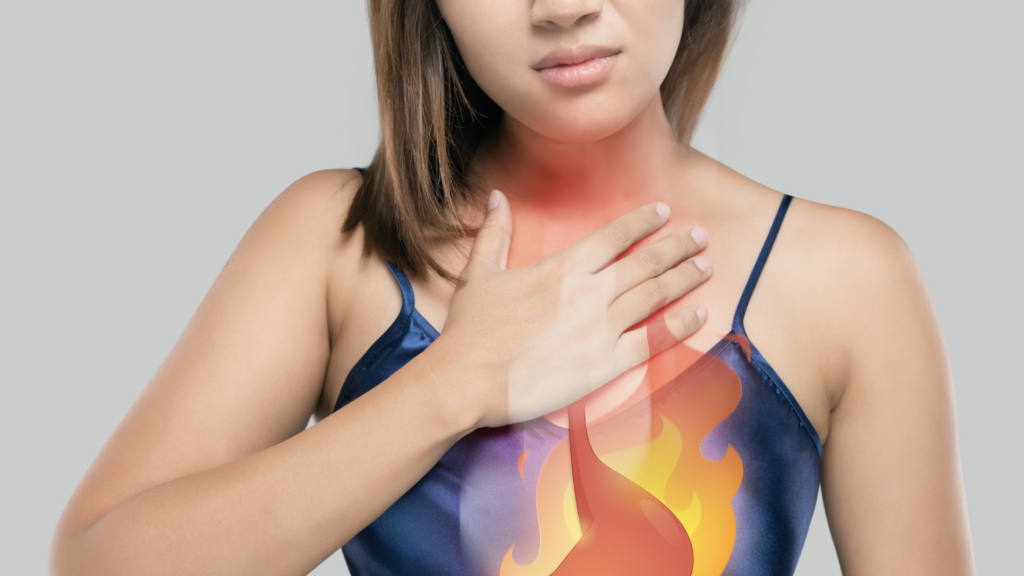
Acid reflux happens when stomach acid flows back into the oesophagus, causing a burning sensation in the chest…