
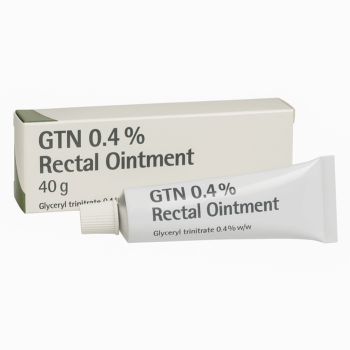
GTN 0.4% Rectal Ointment
Starting from
£49.99
Anal fissures are small tears in the lining of the anus that cause pain and bleeding during bowel movements. They are often linked to constipation, straining, or passing hard stools. Eating a high-fibre diet, staying hydrated, and avoiding excessive wiping can help prevent and heal fissures. Most cases heal on their own within a few weeks, though chronic fissures may need medical attention for proper recovery.
By clicking start your consultation you agree to our Privacy Policy and confirm that you are over 18 years of age.
Conditions
Search for the right anal fissures treatment in our online store, or contact us for expert advice.
Starting from
£49.99
Anal fissures are small tears or cracks in the lining of the anus, the final part of the digestive tract where stool exits the body. These tears often cause pain and bleeding during bowel movements and can make passing stool feel sharp or burning. Anal fissures are common and can affect people of all ages, though they tend to occur more often in young adults and middle-aged individuals. While usually not serious, they can cause significant discomfort and distress if not properly managed.
The most common cause of anal fissures is trauma to the anal canal, often due to passing hard or large stools during constipation. Frequent diarrhoea, childbirth, and prolonged straining can also contribute. In some cases, repeated irritation from wiping or certain medical conditions affecting blood flow can make the area more prone to tearing. Once a fissure develops, the pain it causes can make people reluctant to have bowel movements, leading to a cycle of constipation and further irritation.
Symptoms of an anal fissure typically include sharp pain during and after bowel movements, bright red blood on toilet paper or in the stool, and sometimes itching or a visible tear around the anus. The pain can last from minutes to hours, depending on the severity of the fissure. Some people may also develop a small lump near the tear, called a sentinel pile, which can appear as the body’s response to chronic irritation.
Our Most Popular Categories
Explore our popular product ranges to find treatments for all kinds of conditions. If you have any questions get in touch!
 WEIGHT LOSS
Weight loss happens when the body burns more energy than it consumes, either through healthy lifestyle changes or,…
 ERECTILE DYSFUNCTION
Erectile dysfunction is the persistent difficulty in achieving or maintaining an erection. It can result from physical issues…
 HAIR LOSS
Hair loss happens when hair falls out faster than it grows back and can be caused by genetics,…
 ACID REFLUX
Acid reflux happens when stomach acid flows back into the oesophagus, causing a burning sensation in the chest…
