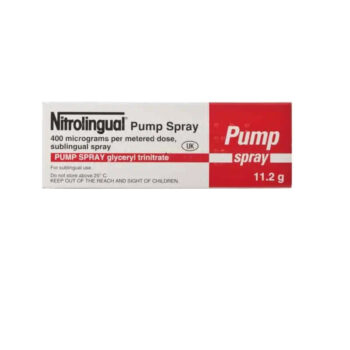
Nitrolingual Glyceryl Trinitrate (GTN) Pumpspray 200 Dose
Starting from
£19.99
Angina is chest pain caused by reduced blood flow to the heart, often due to narrowed or blocked arteries. It typically feels like pressure or tightness in the chest and can spread to the arms, neck, or jaw. Triggers include physical exertion and stress, with relief coming from rest. Lifestyle changes such as healthy eating, regular exercise, and quitting smoking can reduce symptoms and improve heart health. Persistent or sudden chest pain should always be treated as a medical emergency.
By clicking start your consultation you agree to our Privacy Policy and confirm that you are over 18 years of age.

Conditions
Search for the right angina treatment in our online store, or contact us for expert advice.
Starting from
£19.99
Angina is a type of chest pain or discomfort that occurs when the heart muscle does not receive enough oxygen-rich blood. It is a common symptom of coronary artery disease, a condition in which the arteries supplying blood to the heart become narrowed or blocked by a buildup of fatty deposits called plaque. Angina is often described as a pressure, squeezing, or tightness in the chest and may radiate to the shoulders, arms, neck, jaw, or back. It is typically triggered by physical exertion, emotional stress, or other factors that increase the heart’s demand for oxygen.
There are two main types of angina: stable and unstable. Stable angina follows a predictable pattern, occurring during exertion or stress and easing with rest. Unstable angina, on the other hand, can occur unexpectedly, even at rest, and is considered a medical emergency as it may signal an impending heart attack. Another less common type, known as variant or Prinzmetal’s angina, is caused by temporary spasms in the coronary arteries that reduce blood flow. Recognising which type is present is crucial for determining appropriate medical care and lifestyle adjustments.
The underlying cause of angina is usually atherosclerosis, where plaque builds up in the arteries, reducing blood flow to the heart. Over time, this narrowing limits the heart’s oxygen supply, especially during activity when demand increases. Other contributing factors include high blood pressure, smoking, diabetes, obesity, and high cholesterol levels. A family history of heart disease or a sedentary lifestyle can also increase the risk.
FAQ’s
Browse our FAQs below for quick answers about our online doctor services, prescriptions, and delivery. Need more help? Get in touch via live chat or email.
Angina is chest pain caused by restricted blood flow to the heart. It is often a symptom of coronary artery disease and should be monitored closely.
It feels like a pressure, heaviness, or squeezing in the chest. It can also spread to the arms, neck, jaw, or back and typically occurs during activity or stress.
Treatments include GTN spray for immediate relief, and long-term medications like beta-blockers, calcium channel blockers, or statins to reduce heart strain and prevent future episodes.
Yes, with proper medical review. You must complete a detailed consultation including current medications and medical history. A prescriber will assess if treatment is safe for you.
If chest pain persists after using GTN, seek emergency medical help immediately as it could indicate a heart attack.
Our Most Popular Categories
Explore our popular product ranges to find treatments for all kinds of conditions. If you have any questions get in touch!
 WEIGHT LOSS
Weight loss happens when the body burns more energy than it consumes, either through healthy lifestyle changes or,…
 ERECTILE DYSFUNCTION
Erectile dysfunction is the persistent difficulty in achieving or maintaining an erection. It can result from physical issues…
 HAIR LOSS
Hair loss happens when hair falls out faster than it grows back and can be caused by genetics,…
 ACID REFLUX
Acid reflux happens when stomach acid flows back into the oesophagus, causing a burning sensation in the chest…