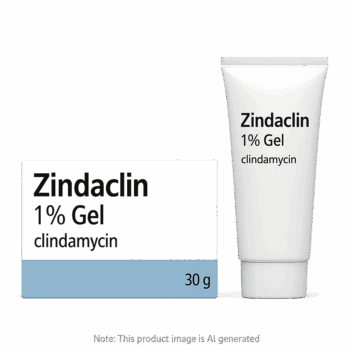
Zindaclin 1% Gel
Starting from
£15.99
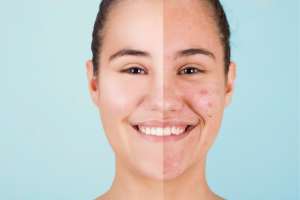
Acne is a widespread skin condition caused by blocked hair follicles filled with oil and dead skin cells, often leading to spots or pimples. It can be triggered by hormonal changes, stress, or genetics, and although common during adolescence, it affects people of all ages. Practicing gentle skincare, maintaining a balanced diet, and avoiding products that clog pores can help reduce breakouts. While acne often clears over time, professional advice may be needed for severe cases to prevent scarring and support long-term skin health.
By clicking start your consultation you agree to our Privacy Policy and confirm that you are over 18 years of age.
Conditions
Explore our prescription acne treatments online, or speak to our team for help finding the right option.
Starting from
£15.99
Starting from
£18.99
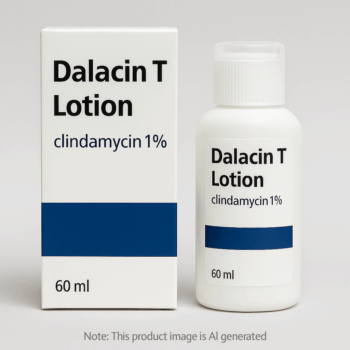
Starting from
£12.99
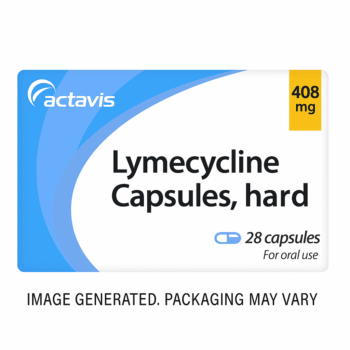
Starting from
£13.80
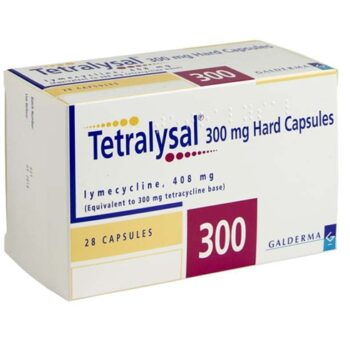
Starting from
£14.99
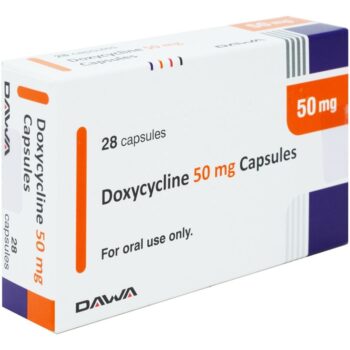
Starting from
£17.99
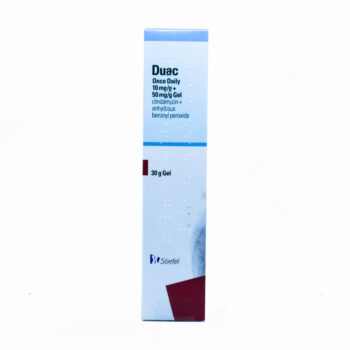
Starting from
£21.95
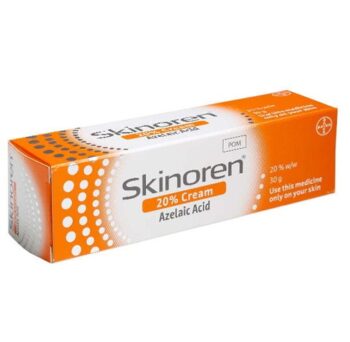
Starting from
£19.99
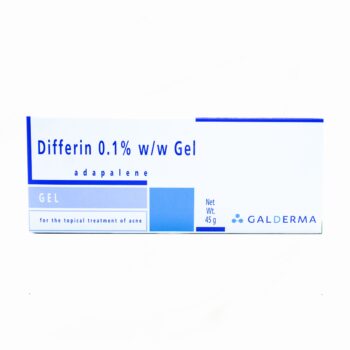
Starting from
£10.00
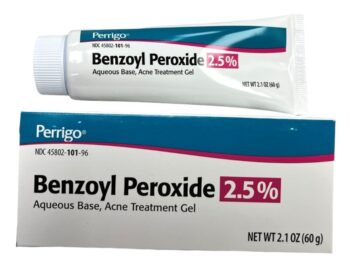
Starting from
£7.99
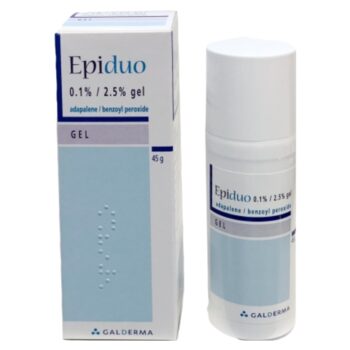
Starting from
£36.00
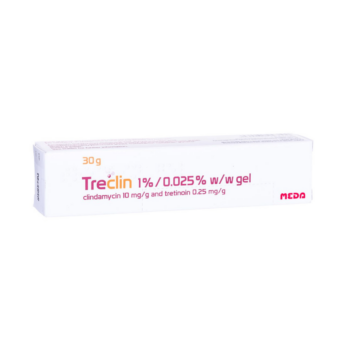
Starting from
£36.99
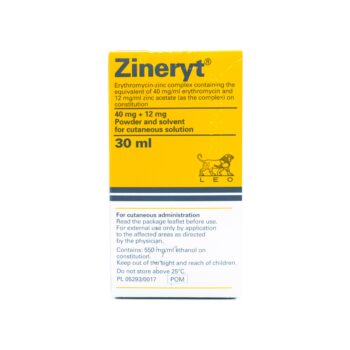
Starting from
£20.00
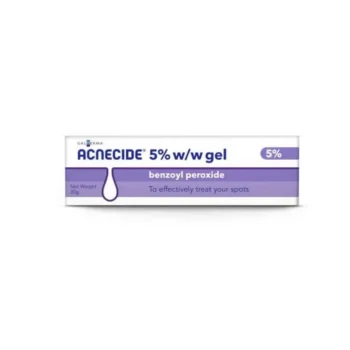
Starting from
£14.00
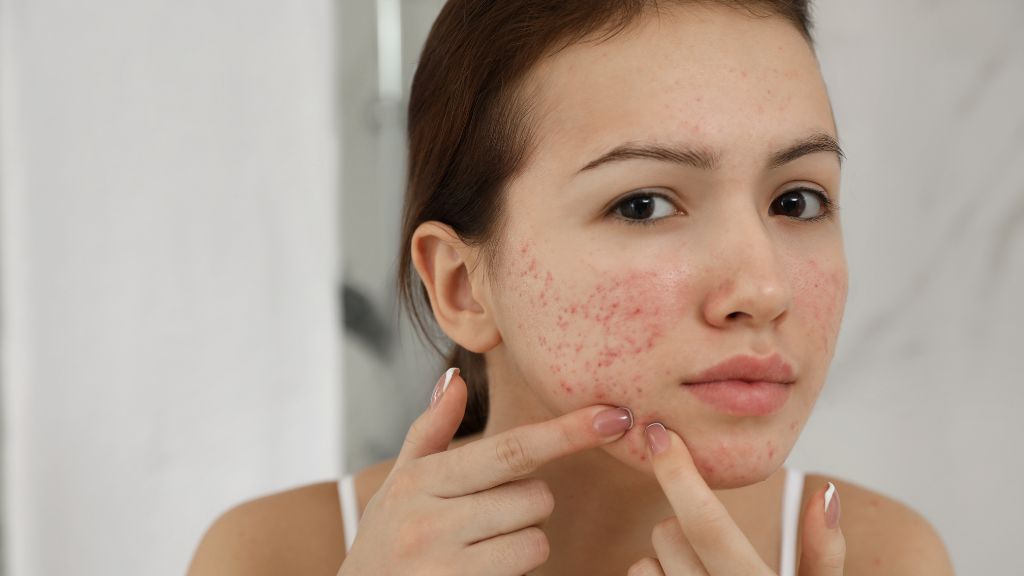
Acne is a common skin condition that occurs when hair follicles become clogged with oil, dead skin cells, and bacteria. It most often appears on the face, chest, back, and shoulders, where sebaceous (oil) glands are more active. The blocked follicles can lead to different types of blemishes, including blackheads, whiteheads, papules, pustules, nodules, and cysts. While acne is most prevalent during adolescence due to hormonal changes, it can affect people of all ages, including adults, especially women during hormonal fluctuations such as menstruation or pregnancy.
The development of acne begins when the skin’s sebaceous glands produce excess sebum, an oily substance that helps protect and lubricate the skin. When too much sebum is produced, it combines with dead skin cells and blocks hair follicles. Bacteria naturally present on the skin can then multiply within these clogged pores, causing inflammation and the formation of spots or pimples. Depending on the severity, acne can range from mild, occasional breakouts to more persistent and painful cystic lesions.
Several factors can contribute to acne, including hormonal changes, genetics, stress, and certain cosmetic products that clog pores. Diet may also play a role, with some evidence suggesting that foods with a high glycaemic index or excessive dairy intake can worsen breakouts in some individuals. Friction or pressure on the skin from clothing, helmets, or masks can also trigger a type of acne known as acne mechanica.
FAQ’s
Browse our FAQs below for quick answers about our online doctor services, prescriptions, and delivery. Need more help? Get in touch via live chat or email.
Prescription acne treatments are stronger than over-the-counter options and target moderate to severe acne. They include antibiotics like doxycycline and topical creams that reduce inflammation and bacteria on the skin.
The best acne cream depends on your skin type and the severity of your acne. Options like Epiduo and Duac are often used for inflamed spots, helping reduce redness and swelling.
Yes, back acne treatment is available. Oral antibiotics like doxycycline and topical treatments can help manage breakouts on larger areas like the back or chest.
What gets rid of acne scars includes consistent skincare, prescription creams, and sometimes medical treatments like peels or laser therapy. Early acne treatment helps prevent scarring.
To eliminate acne redness, use treatments that calm inflammation. Look for prescription products with antibacterial or anti-inflammatory ingredients, and avoid harsh scrubs that irritate the skin.
Our Most Popular Categories
Explore our popular product ranges to find treatments for all kinds of conditions. If you have any questions get in touch!
 WEIGHT LOSS
Weight loss happens when the body burns more energy than it consumes, either through healthy lifestyle changes or,…
 ERECTILE DYSFUNCTION
Erectile dysfunction is the persistent difficulty in achieving or maintaining an erection. It can result from physical issues…
 HAIR LOSS
Hair loss happens when hair falls out faster than it grows back and can be caused by genetics,…
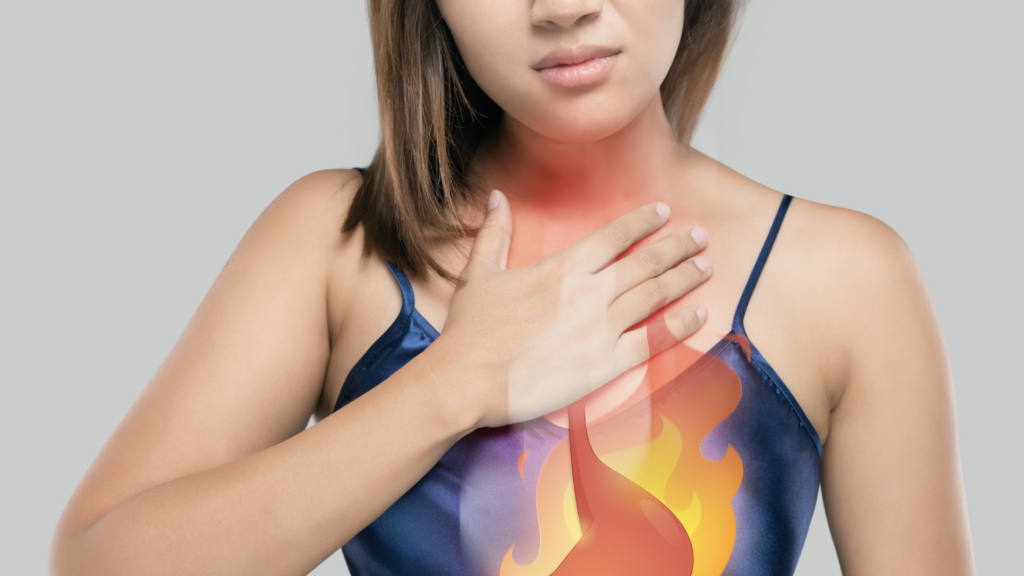 ACID REFLUX
Acid reflux happens when stomach acid flows back into the oesophagus, causing a burning sensation in the chest…