
Xifaxanta (Rifaximin) 200mg Tablets
Starting from
£18.94
Traveller’s diarrhoea is caused by consuming contaminated food or water while abroad, leading to loose stools and stomach cramps. It is preventable through careful food choices, good hygiene, and safe drinking habits. Staying hydrated and resting are key to recovery, and with proper precautions, most travellers remain healthy throughout their trip.
By clicking start your consultation you agree to our Privacy Policy and confirm that you are over 18 years of age.

Conditions
Search for the right traveller’s diarrhoea treatment in our online store, or contact us for expert advice.
Starting from
£18.94
Traveller’s diarrhoea is a common condition that affects people visiting regions where food or water safety standards differ from those at home. It occurs when harmful bacteria, viruses, or parasites contaminate food or drinking water, leading to infection in the digestive system. Although usually mild, it can be unpleasant and temporarily disrupt travel plans.
Symptoms typically appear within a few days of arrival and include loose or watery stools, stomach cramps, nausea, bloating, and sometimes fever. In more severe cases, vomiting or dehydration may occur. Most people recover within a few days, but symptoms can last longer if the infection is caused by certain parasites.
The main cause of traveller’s diarrhoea is consuming contaminated food or water. Common sources include raw or undercooked meat, unwashed fruits and vegetables, and drinks made with untreated water. Ice cubes, salads, and street food are frequent culprits in areas where sanitation practices are poor.
FAQ’s
Browse our FAQs below for quick answers about our online doctor services, prescriptions, and delivery. Need more help? Get in touch via live chat or email.
It’s most often caused by ingesting food or water contaminated with bacteria such as E. coli, Salmonella, or Shigella.
Symptoms include frequent loose stools, stomach cramps, nausea, bloating, and occasionally fever or vomiting.
Mild cases can be treated with fluids and rest. More severe symptoms may require antibiotics like Azithromycin, which can speed up recovery.
Yes. After a short consultation, your treatment can be prescribed and delivered quickly and discreetly to your UK address.
Yes. Many travellers carry a standby course of antibiotics in case symptoms develop abroad. Online consultations allow you to prepare ahead of time.
Our Most Popular Categories
Explore our popular product ranges to find treatments for all kinds of conditions. If you have any questions get in touch!
 WEIGHT LOSS
Weight loss happens when the body burns more energy than it consumes, either through healthy lifestyle changes or,…
 ERECTILE DYSFUNCTION
Erectile dysfunction is the persistent difficulty in achieving or maintaining an erection. It can result from physical issues…
 HAIR LOSS
Hair loss happens when hair falls out faster than it grows back and can be caused by genetics,…
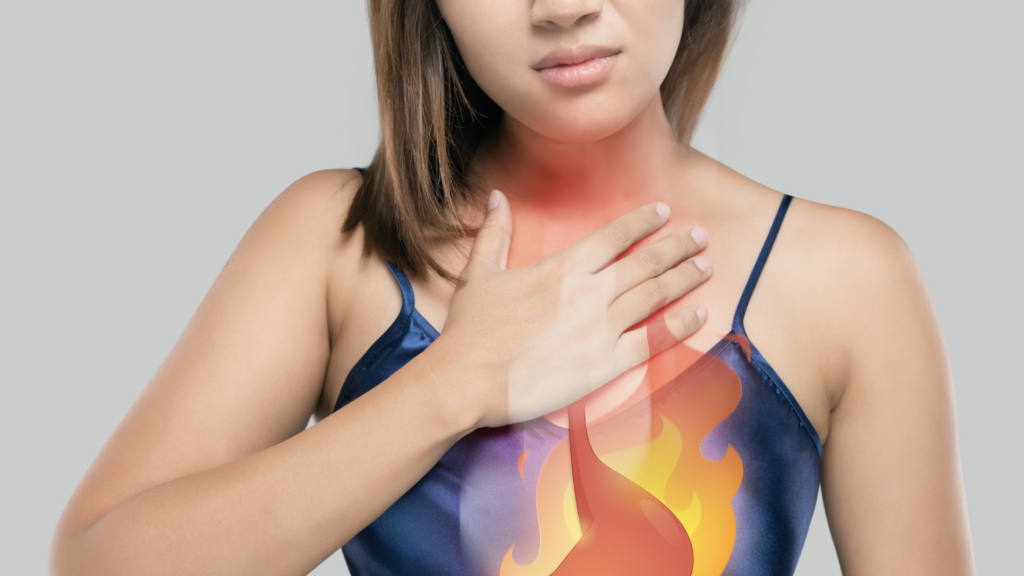 ACID REFLUX
Acid reflux happens when stomach acid flows back into the oesophagus, causing a burning sensation in the chest…