
A
Yes. You can take them together or staggered for stronger pain relief, but avoid taking other NSAIDs at the same time.
Price range: £1.99 through £6.99
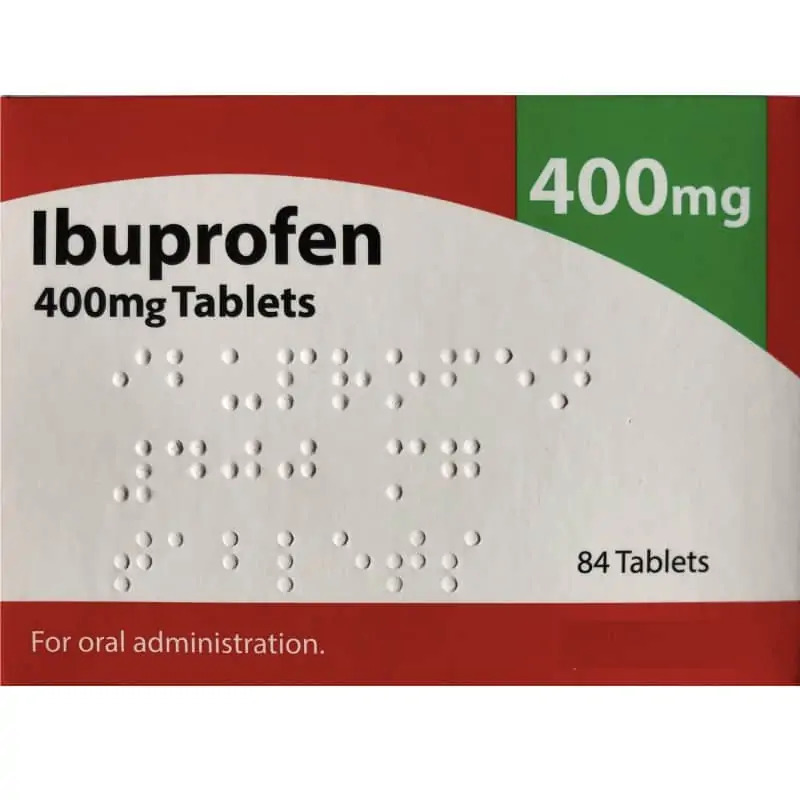
Ibuprofen 400mg Tablets are a pharmacy medicine (P line) for moderate pain and inflammation.
Trusted NSAID for arthritis, dental pain, and muscular aches.
Packaging and branding may differ from image shown.
Note: Always follow GP or pharmacist advice.
Adults and children over 12 years:
Take 1 tablet (400mg) every 6 to 8 hours as needed
Do not exceed 3 tablets (1200mg) in 24 hours unless prescribed
How to take:
Swallow whole with water
Take with food or milk
Storage:
Store below 25°C
Keep out of reach of children
Protect from moisture
Active Ingredient:
Ibuprofen 400mg
Excipients:
Lactose
Povidone
Sodium starch glycolate
Magnesium stearate
Common side effects:
Heartburn or indigestion
Stomach pain
Headache or dizziness
Rare but serious:
Gastric ulcers or bleeding
Kidney impairment
Increased blood pressure
Allergic reactions (rash, swelling, asthma)
Stop use and seek help if severe side effects occur.
Do not use if:
You have a history of ulcers or GI bleeding
You’re allergic to ibuprofen or other NSAIDs
You’re pregnant (especially 3rd trimester)
Use with caution if:
You have asthma, heart disease, kidney/liver issues
You take blood thinners (e.g. warfarin)
Ibuprofen 400mg Tablets are a potent anti-inflammatory and analgesic medication used for short-term relief of moderate pain, inflammation, and fever. This strength is typically reserved for conditions that require stronger relief than lower-dose alternatives, such as toothache, menstrual cramps, muscle aches, joint pain, backache, and arthritis flare-ups.
Belonging to the NSAID (Non-Steroidal Anti-Inflammatory Drug) class, ibuprofen is a first-line treatment for many musculoskeletal and inflammatory disorders when used appropriately and under pharmacist or GP supervision.
Ibuprofen works by inhibiting cyclooxygenase (COX-1 and COX-2) enzymes, which are responsible for producing prostaglandins—chemical messengers that trigger inflammation, swelling, pain, and fever. By blocking this process, ibuprofen reduces both the sensation of pain and the biological signs of inflammation.
The 400mg strength offers a higher therapeutic dose per tablet compared to over-the-counter 200mg forms, often providing faster and longer-lasting relief for more intense or persistent symptoms.
Effective for moderate to severe pain
Reduces inflammation and fever
Longer duration of action than 200mg tablets
Widely prescribed for arthritis, injury, and post-surgical recovery
Combines well with paracetamol for dual-analgesic effects
This strength is especially useful when lower-dose options are ineffective or when patients need extended relief without taking multiple tablets.
Ibuprofen 400mg should only be taken under medical advice or supervision. It is not suitable for prolonged self-medication. Always follow dosage instructions carefully and take with food to reduce gastrointestinal risks.
Those with ulcers, bleeding disorders, asthma, cardiovascular issues, or renal impairment should consult their GP before use.
Yes. You can take them together or staggered for stronger pain relief, but avoid taking other NSAIDs at the same time.
It’s best to take Ibuprofen 400mg with or after food to reduce the risk of stomach irritation or ulcers.
Ibuprofen 400mg generally begins to relieve pain and inflammation within 30 minutes, with peak effect around 1–2 hours after taking.
People with asthma, high blood pressure, or heart disease should consult a doctor before using Ibuprofen, as it can exacerbate these conditions.
No. Prolonged use can increase the risk of gastrointestinal, kidney, or cardiovascular issues. It should only be used short-term unless prescribed by a GP.




Starting from
£2.50

Starting from
£5.49

Starting from
£5.99

Starting from
£4.99