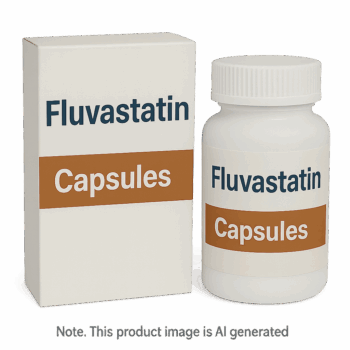
Fluvastatin Capsules
Starting from
£9.99
High cholesterol means excess fat in the blood, which can clog arteries and increase heart disease risk. It often causes no symptoms, so regular testing is important. Eating a balanced diet, exercising regularly, and avoiding smoking help maintain healthy cholesterol levels and protect heart health.
By clicking start your consultation you agree to our Privacy Policy and confirm that you are over 18 years of age.
Conditions
Search for the right high cholesterol treatment in our online store, or contact us for expert advice.
Starting from
£9.99
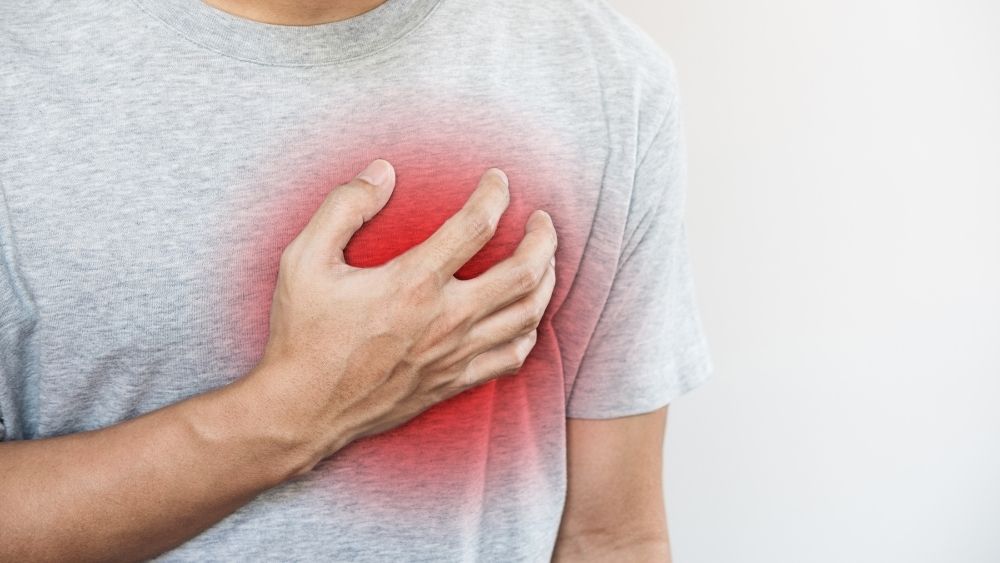
High cholesterol occurs when there is too much cholesterol — a fatty substance — in the blood. Cholesterol is essential for building cells and producing hormones, but having too much of it can lead to fatty deposits in the arteries. Over time, these deposits narrow the arteries and increase the risk of heart disease, stroke, and other circulatory problems. Because high cholesterol often causes no symptoms, it is usually detected through routine blood tests.
There are two main types of cholesterol: low-density lipoprotein (LDL), often called “bad” cholesterol, and high-density lipoprotein (HDL), known as “good” cholesterol. LDL contributes to plaque buildup in the arteries, while HDL helps remove excess cholesterol from the bloodstream. An imbalance between these two — high LDL and low HDL — increases cardiovascular risk.
Several factors contribute to high cholesterol. Diets high in saturated and trans fats, lack of physical activity, smoking, and being overweight are common causes. Genetics also play a significant role, meaning some people inherit a tendency to have high cholesterol even with a healthy lifestyle. Age and underlying conditions, such as diabetes or thyroid problems, can also affect cholesterol levels.
FAQ’s
Browse our FAQs below for quick answers about our online doctor services, prescriptions, and delivery. Need more help? Get in touch via live chat or email.
High cholesterol means there is too much LDL (‘bad’) cholesterol in the blood, which can lead to clogged arteries and increased risk of heart disease.
Statins are medications that lower LDL cholesterol levels by blocking its production in the liver. Common options include Atorvastatin and Simvastatin.
A blood test is required to measure cholesterol levels. There are usually no noticeable symptoms, which is why regular screening is important.
Yes. Complete a consultation with details of your health and any recent cholesterol results. A licensed prescriber will review and, if suitable, approve treatment.
Eating a heart-healthy diet, quitting smoking, exercising regularly, and limiting alcohol can improve cholesterol levels and overall cardiovascular health.
Our Most Popular Categories
Explore our popular product ranges to find treatments for all kinds of conditions. If you have any questions get in touch!
 WEIGHT LOSS
Weight loss happens when the body burns more energy than it consumes, either through healthy lifestyle changes or,…
 ERECTILE DYSFUNCTION
Erectile dysfunction is the persistent difficulty in achieving or maintaining an erection. It can result from physical issues…
 HAIR LOSS
Hair loss happens when hair falls out faster than it grows back and can be caused by genetics,…
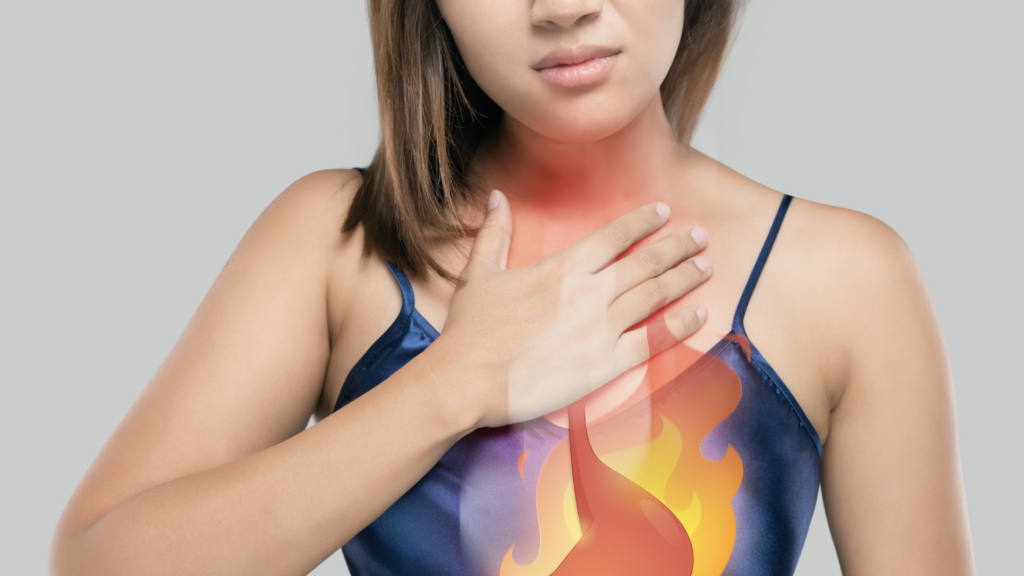 ACID REFLUX
Acid reflux happens when stomach acid flows back into the oesophagus, causing a burning sensation in the chest…