Tolterodine Tablet
Starting from
£13.99
A urinary tract infection is a bacterial infection of the bladder, urethra, or kidneys that causes pain, burning, and frequent urination. Staying hydrated, practising good hygiene, and seeking prompt treatment help prevent complications. With care and prevention, most UTIs clear quickly and leave no lasting effects, supporting ongoing urinary health.
By clicking start your consultation you agree to our Privacy Policy and confirm that you are over 18 years of age.
Conditions
Search our online store to find the right UTI treatment for you, or contact us if you need expert advice.
Starting from
£13.99
Starting from
£29.99
Starting from
£8.90
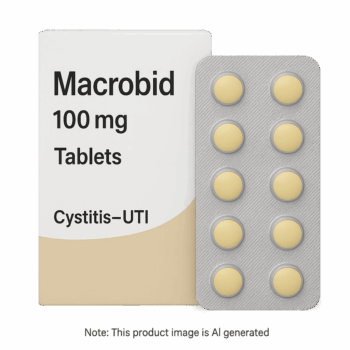
Starting from
£15.99
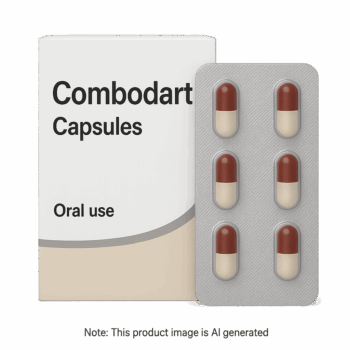
Starting from
£24.99
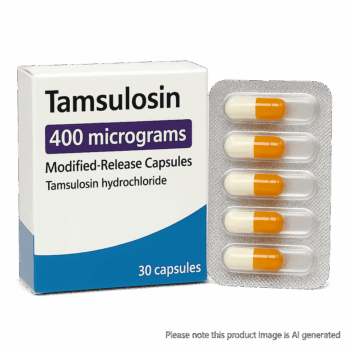
Starting from
£16.00
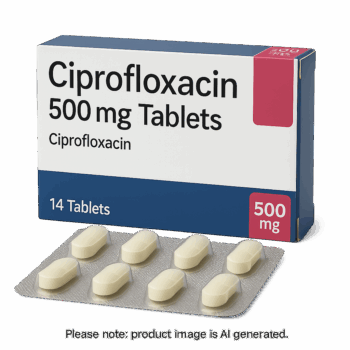
Starting from
£10.99

Starting from
£6.99
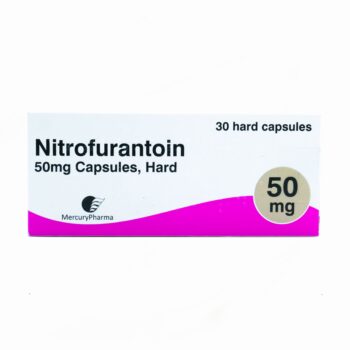
Starting from
£9.99
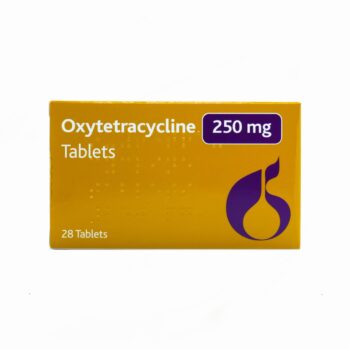
Starting from
£14.99

Starting from
£4.99
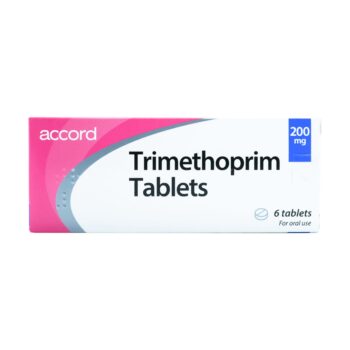
Starting from
£5.49
A urinary tract infection (UTI) occurs when bacteria enter and multiply within the urinary system, which includes the bladder, urethra, ureters, and kidneys. Most UTIs affect the bladder and urethra, though more serious infections can spread to the kidneys. They are particularly common in women due to the shorter length of the urethra, which makes it easier for bacteria to reach the bladder.
Common symptoms include a burning sensation when urinating, frequent urges to urinate even when the bladder is nearly empty, and cloudy or strong-smelling urine. Some people may also experience pelvic pain, lower back discomfort, or traces of blood in the urine. If the infection spreads to the kidneys, symptoms may include fever, chills, nausea, or pain in the side or back.
UTIs are most often caused by bacteria from the digestive tract, typically Escherichia coli (E. coli), which can enter the urinary tract through the urethra. Risk factors include poor hygiene, dehydration, sexual activity, holding in urine for long periods, and using irritating hygiene products. Women who are pregnant or postmenopausal are also at higher risk due to hormonal changes.
FAQ’s
Browse our FAQs below for quick answers about our online doctor services, prescriptions, and delivery. Need more help? Get in touch via live chat or email.
The most effective UTI treatment depends on the type of infection. Trimethoprim and Nitrofurantoin are commonly prescribed first-line antibiotics, helping to clear infections quickly. Amoxicillin for UTI may be used in certain cases when other treatments are not suitable.
With antibiotics for UTIs, symptoms usually improve within two to three days. Without treatment, the infection may last longer and could spread to the kidneys, leading to more serious complications. If you’re wondering how long does a UTI last, starting treatment early can help speed up recovery.
Some mild UTIs may improve without antibiotics, but most require prescription UTI treatment to prevent symptoms from worsening. If symptoms persist or become more severe, seeking medical advice is recommended. While some cases improve without intervention, those wondering can a UTI heal on its own should monitor symptoms closely and seek treatment if needed.
Over-the-counter UTI treatments help relieve discomfort but do not cure the infection. Pain relief sachets, anti-inflammatory tablets, and hydration aids can ease symptoms while waiting for antibiotics to take effect.
The fastest way to get rid of cystitis fast is to start antibiotics for cystitis as soon as possible. Staying hydrated, avoiding caffeine and alcohol, and using cystitis relief products can help ease symptoms while the medication takes effect.
Our Most Popular Categories
Explore our popular product ranges to find treatments for all kinds of conditions. If you have any questions get in touch!
 WEIGHT LOSS
Weight loss happens when the body burns more energy than it consumes, either through healthy lifestyle changes or,…
 ERECTILE DYSFUNCTION
Erectile dysfunction is the persistent difficulty in achieving or maintaining an erection. It can result from physical issues…
 HAIR LOSS
Hair loss happens when hair falls out faster than it grows back and can be caused by genetics,…
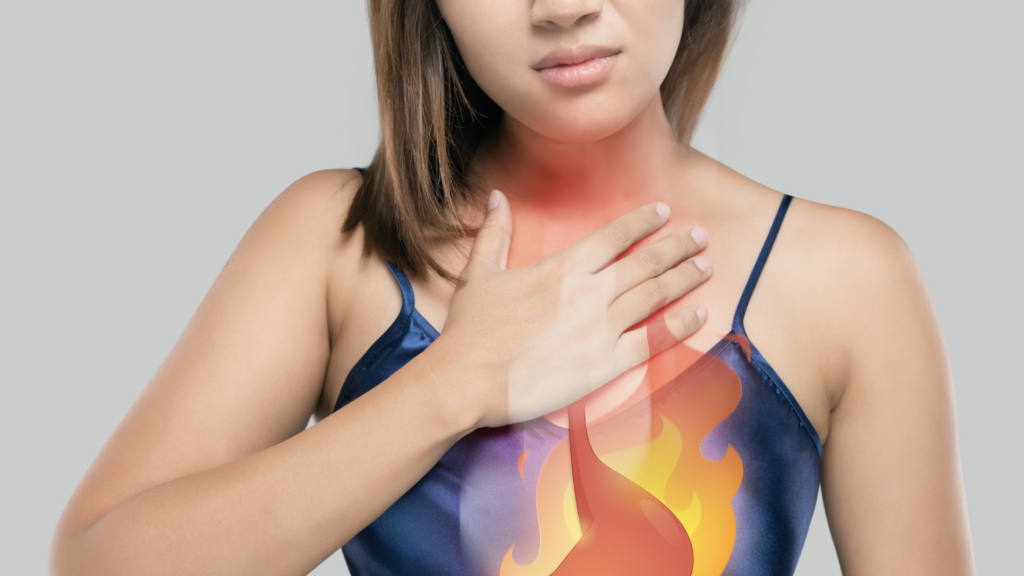 ACID REFLUX
Acid reflux happens when stomach acid flows back into the oesophagus, causing a burning sensation in the chest…