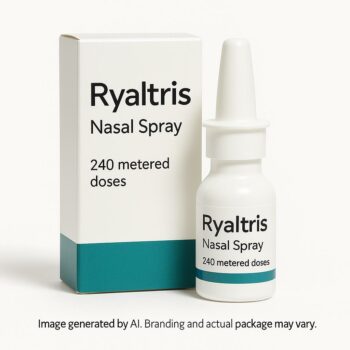
Ryaltris Nasal Spray
Starting from
£22.80
Hay fever is an allergic reaction to pollen, dust, or other airborne irritants that causes sneezing, itchy eyes, and nasal congestion. Avoiding triggers, keeping windows closed, and maintaining clean indoor air can help reduce symptoms. With awareness and proper management, most people can control hay fever effectively and enjoy daily activities with fewer disruptions.
By clicking start your consultation you agree to our Privacy Policy and confirm that you are over 18 years of age.

Conditions
Search for the right hay fever treatment in our online store, or contact us for expert advice.
Starting from
£22.80
Starting from
£9.99

Starting from
£10.99

Starting from
£11.99

Starting from
£11.99

Starting from
£12.99
Starting from
£1.99
Starting from
£5.59
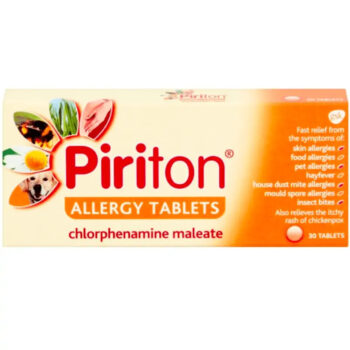
Starting from
£4.69
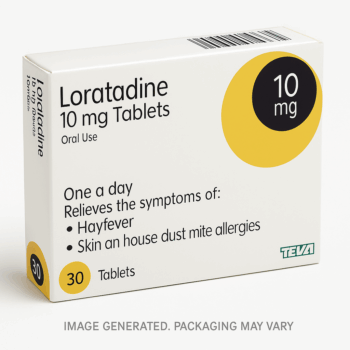
Starting from
£1.99
Starting from
£3.49
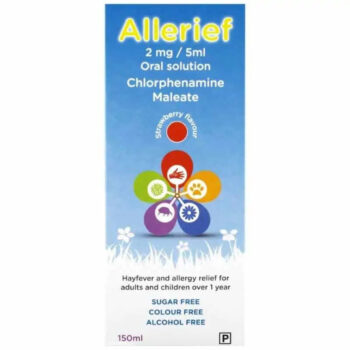
Starting from
£4.89
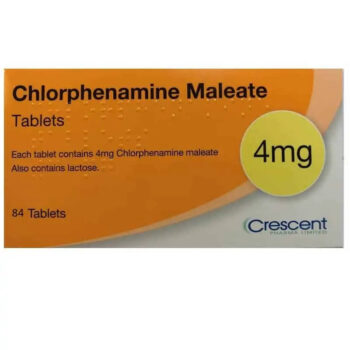
Starting from
£4.79
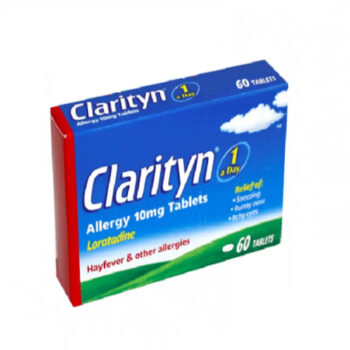
Starting from
£14.00
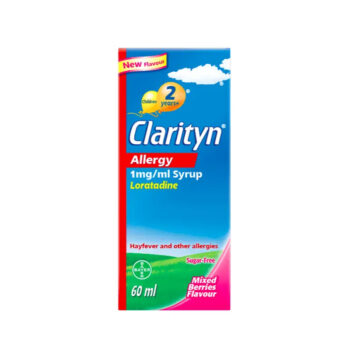
Starting from
£4.79
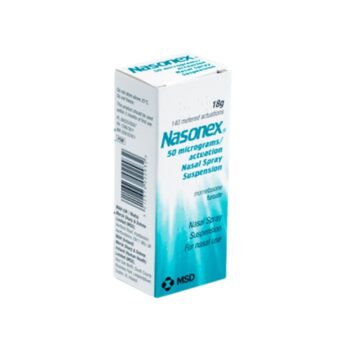
Starting from
£20.00
Starting from
£20.99

Starting from
£9.29
Starting from
£20.00
Starting from
£14.49
Hay fever, also known as allergic rhinitis, is an allergic reaction that occurs when the immune system overreacts to airborne substances such as pollen, dust mites, mould spores, or animal dander. It is a common seasonal condition, though some people experience symptoms all year round. When these allergens are inhaled, the body releases histamine and other chemicals, leading to inflammation of the nasal passages and surrounding tissues.
Typical symptoms include sneezing, a runny or blocked nose, itchy eyes, and throat irritation. Many people also experience fatigue, headaches, and difficulty concentrating, especially during high pollen seasons. Symptoms often worsen outdoors on dry, windy days when pollen levels are high or indoors where dust or pet allergens are present.
Hay fever can be triggered by different types of pollen, depending on the season. Tree pollen is most common in spring, grass pollen in summer, and weed pollen in late summer and autumn. Indoor triggers such as dust mites and pet hair can cause year-round symptoms known as perennial allergic rhinitis.
FAQ’s
Browse our FAQs below for quick answers about our online doctor services, prescriptions, and delivery. Need more help? Get in touch via live chat or email.
Hay fever, or allergic rhinitis, is an allergic reaction to pollen that causes sneezing, runny nose, itchy eyes, and nasal congestion.
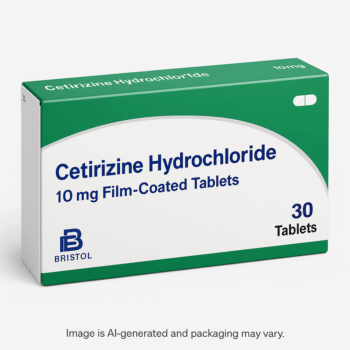
Antihistamines like Cetirizine or Loratadine, nasal sprays such as Beclometasone, and eye drops can relieve symptoms. A combination of treatments may be used for stronger relief.
Start treatment before pollen levels rise—usually early spring for tree pollen and late spring/summer for grass pollen—for the best results.
Yes. During allergy season, daily use is recommended to maintain symptom control, especially on high pollen days.
Yes. Complete a brief consultation and, if suitable, a licensed prescriber will approve your request. Your treatment will be delivered discreetly across the UK.
Our Most Popular Categories
Explore our popular product ranges to find treatments for all kinds of conditions. If you have any questions get in touch!
 WEIGHT LOSS
Weight loss happens when the body burns more energy than it consumes, either through healthy lifestyle changes or,…
 ERECTILE DYSFUNCTION
Erectile dysfunction is the persistent difficulty in achieving or maintaining an erection. It can result from physical issues…
 HAIR LOSS
Hair loss happens when hair falls out faster than it grows back and can be caused by genetics,…
 ACID REFLUX
Acid reflux happens when stomach acid flows back into the oesophagus, causing a burning sensation in the chest…