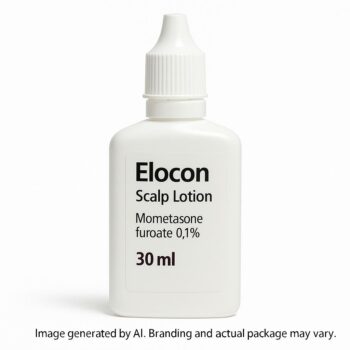
 OUT OF STOCK
Elocon Scalp Lotion
Starting from
£0.00
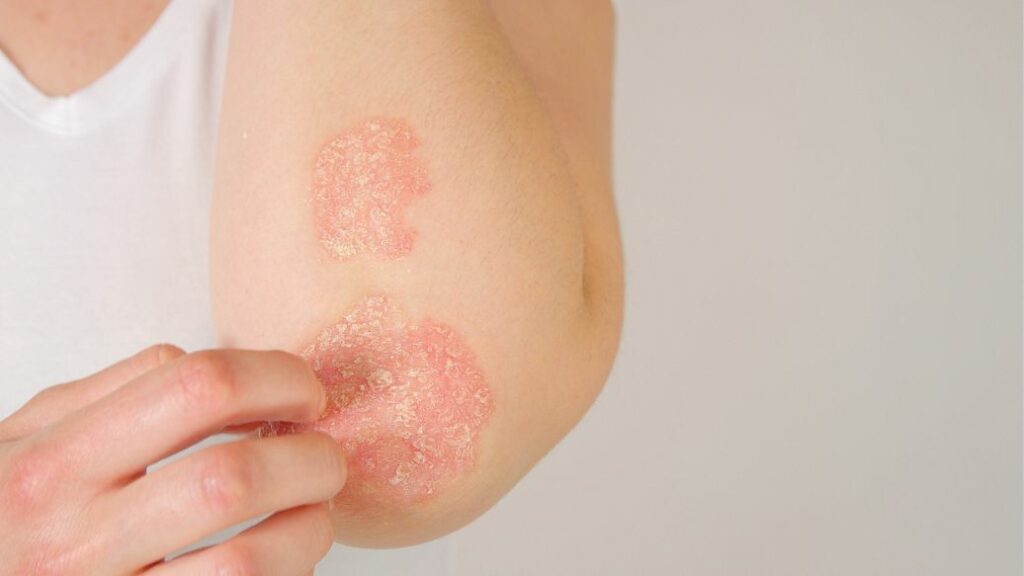
Eczema and dermatitis are inflammatory skin conditions that cause itching, dryness, and redness. They are triggered by irritants, allergens, or environmental factors and often run in families. Regular moisturising, avoiding harsh products, and identifying triggers can help prevent flare-ups and maintain healthy skin.
By clicking start your consultation you agree to our Privacy Policy and confirm that you are over 18 years of age.
Conditions
Search for the right eczema and dermatitis treatment in our online store, or contact us for expert advice.
OUT OF STOCK
Starting from
£0.00
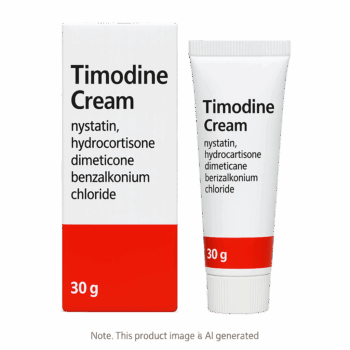
Starting from
£9.45
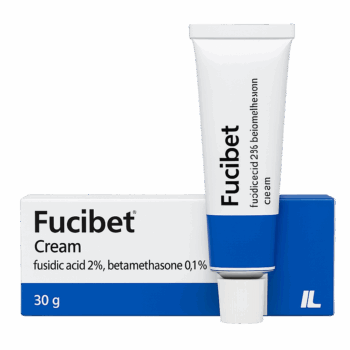
Starting from
£12.99
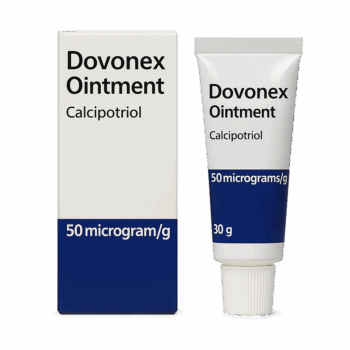
Starting from
£13.99
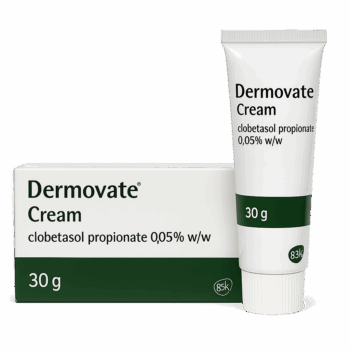
Starting from
£10.99
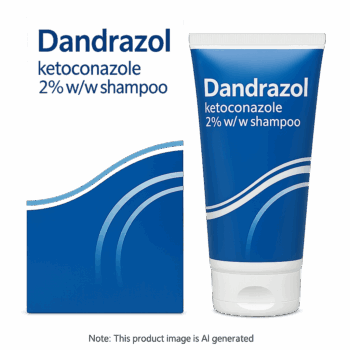
Starting from
£12.99
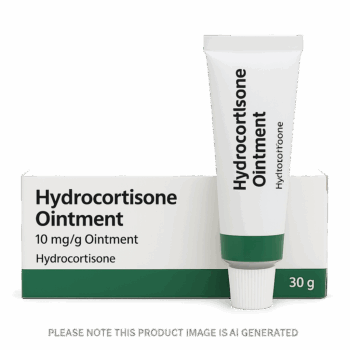
Starting from
£5.49
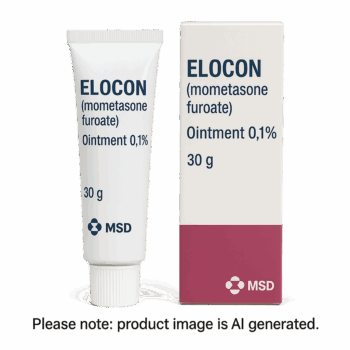
Starting from
£12.90
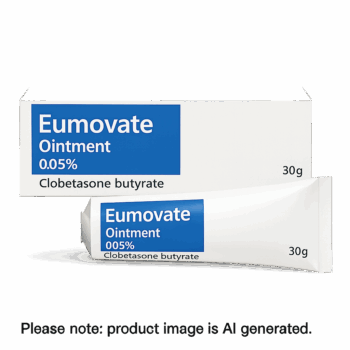
Starting from
£17.99
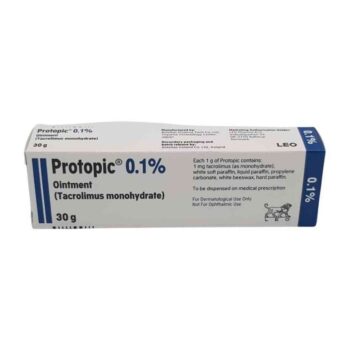
Starting from
£25.50
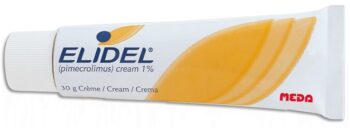
Starting from
£39.99
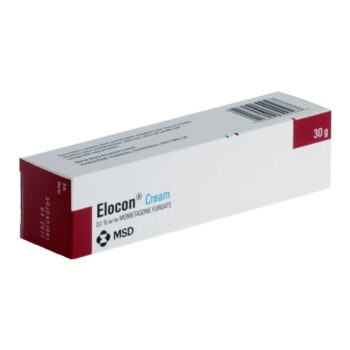
Starting from
£22.00
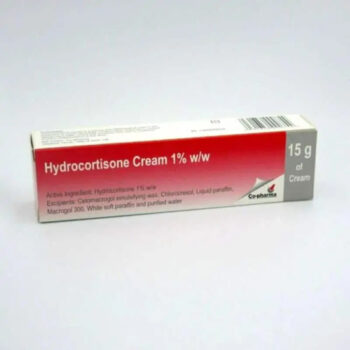
Starting from
£3.99
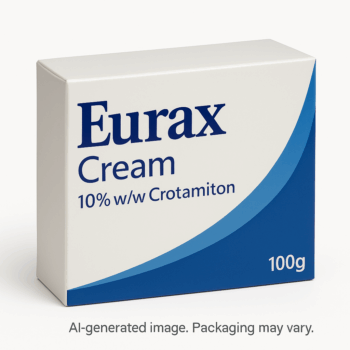
Starting from
£8.99
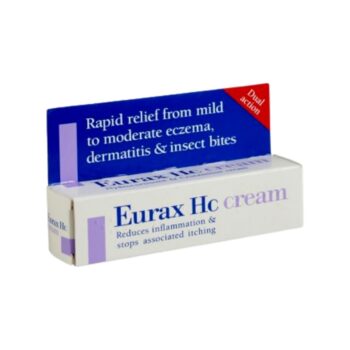
Starting from
£5.99
Starting from
£6.99
Starting from
£5.49
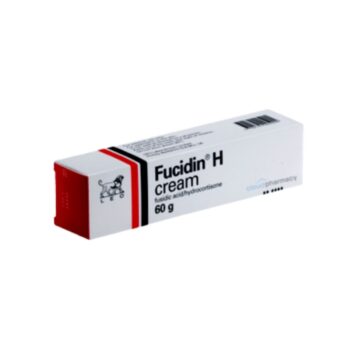
Starting from
£15.99
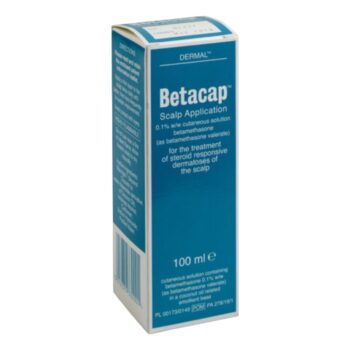
Starting from
£19.99
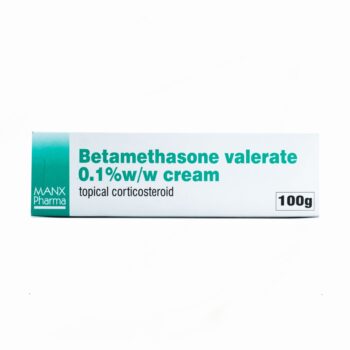
Starting from
£15.99
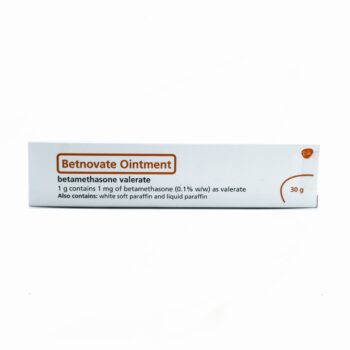
Starting from
£15.99
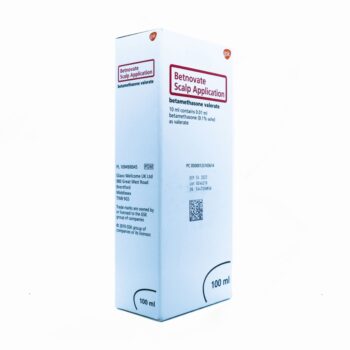
Starting from
£15.99
Eczema and dermatitis are closely related skin conditions that cause inflammation, redness, and itching. The terms are often used interchangeably since eczema is a type of dermatitis. Both conditions make the skin dry, irritated, and sometimes cracked or swollen. They are not contagious but can flare up due to various triggers, ranging from environmental factors to stress or allergens.
Atopic dermatitis, the most common form of eczema, often develops in childhood and is linked to an overactive immune response. It tends to appear on the hands, face, or behind the knees and elbows. Contact dermatitis, another common type, occurs when the skin reacts to substances like soap, detergent, perfume, or certain metals. Both types can cause discomfort and require careful management to reduce flare-ups.
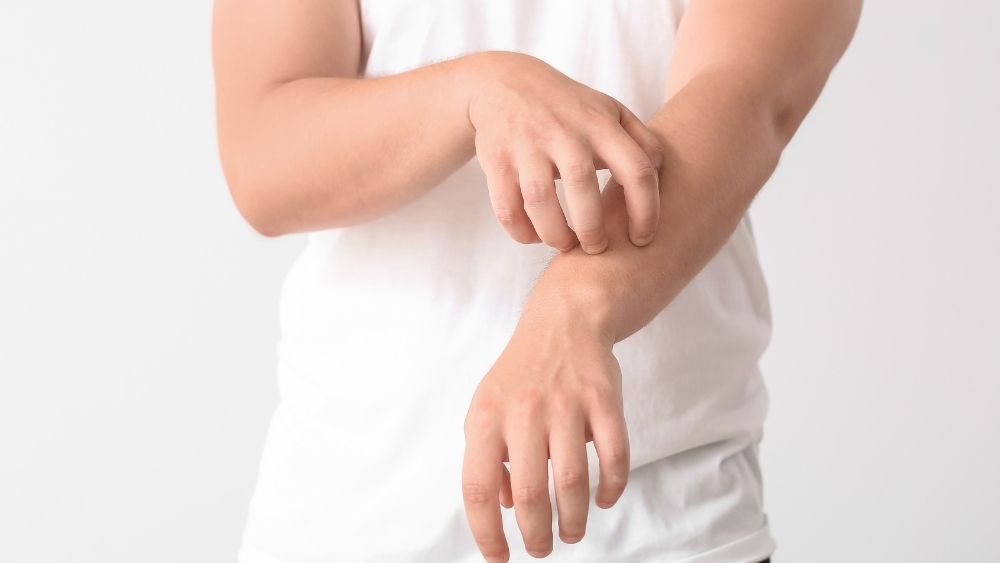
Symptoms include persistent itching, redness, dryness, and in some cases, small blisters that ooze or crust over. Repeated scratching can make the skin thicker or darker in affected areas. The severity can range from mild irritation to painful, inflamed patches that interfere with daily activities.
FAQ’s
Browse our FAQs below for quick answers about our online doctor services, prescriptions, and delivery. Need more help? Get in touch via live chat or email.
Eczema usually refers to atopic dermatitis, a chronic, genetic condition. Dermatitis is a broader term that includes other types like contact dermatitis caused by allergens or irritants.
Flare-ups can be triggered by allergens, soaps, stress, weather, certain fabrics, or hormonal changes. Identifying and avoiding triggers is essential for long-term control.
Treatments include topical corticosteroids for inflammation and emollients for ongoing skin care. Antihistamines may be added to relieve severe itching.
Yes. After completing a short online consultation, a licensed prescriber will assess your symptoms. Approved treatments are delivered across the UK discreetly.
Moisturising regularly, avoiding known irritants, and using gentle skincare products help reduce flare-ups. Early treatment of symptoms prevents worsening.
Our Most Popular Categories
Explore our popular product ranges to find treatments for all kinds of conditions. If you have any questions get in touch!
 WEIGHT LOSS
Weight loss happens when the body burns more energy than it consumes, either through healthy lifestyle changes or,…
 ERECTILE DYSFUNCTION
Erectile dysfunction is the persistent difficulty in achieving or maintaining an erection. It can result from physical issues…
 HAIR LOSS
Hair loss happens when hair falls out faster than it grows back and can be caused by genetics,…
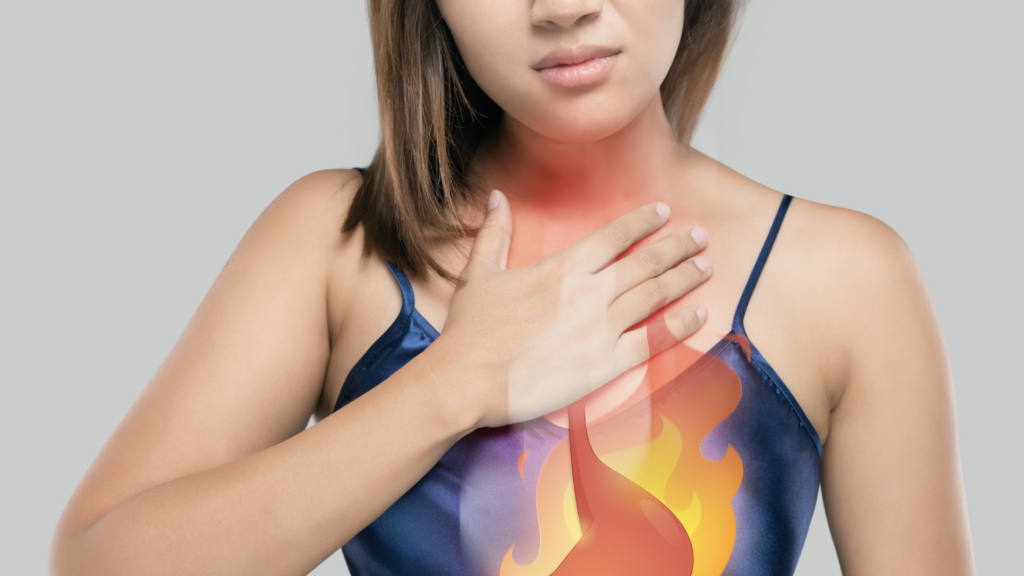 ACID REFLUX
Acid reflux happens when stomach acid flows back into the oesophagus, causing a burning sensation in the chest…